/f/102932/1240x697/2ea6cf9c28/agency-merch.jpg)
Made To Be Seen: Why Agency Merchandise Matters
An overview at some of the ways agencies advertise themselves to try to stand out from the crowd
26 August 2026
Is there more to the free tote bag offering at the end of an industry event than meets the eye? A seemingly simple giveaway holds an opportunity for ad agencies to fully express who they are and what they represent while trying to make potential clients smile along the way. An agency’s creative culture can take life beyond its walls, through something people can wear, carry, and keep.
What once was an afterthought has evolved into a much more interesting conversation about the agency's brand and personality. From limited-edition T-shirts to carefully crafted objects, merch is becoming a canvas for ad agencies' creative character.
When DEPT's Secret Garden returned to Cannes Lions this summer with a limited-edition Souvenir Shop, the experience elevated a merch collection drop like no other, with pieces worth treasuring beyond the beaches. Executives from other agencies were even caught turning up to the shop just to snag some limited edition DEPT branded swag [see image below]. Even for ad agencies, pop-up experiences like those refine the feeling of culture and belonging, growing recognition, and creating anticipation for the next drop.

Whilst a mug may sit in a cupboard or a pair of socks tucked away in a drawer, branded merch still hold's a reminder of a moment in an agency's history and the more unusual the product can reveal more about the business culture behind it.
Agency marketing leads share their favourite pieces of merch drops from over the years, revealing the branded products released to capture industry attention.
1/3
2/3
3/3


Roanne de Kluizenaar, head of brand design at DEPT
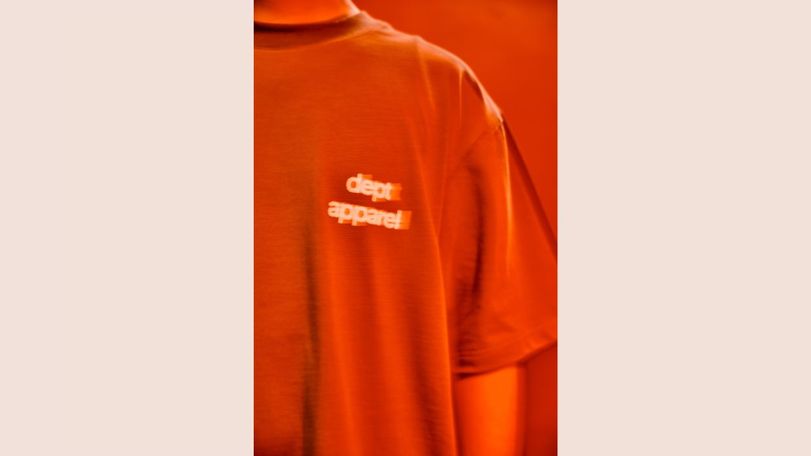
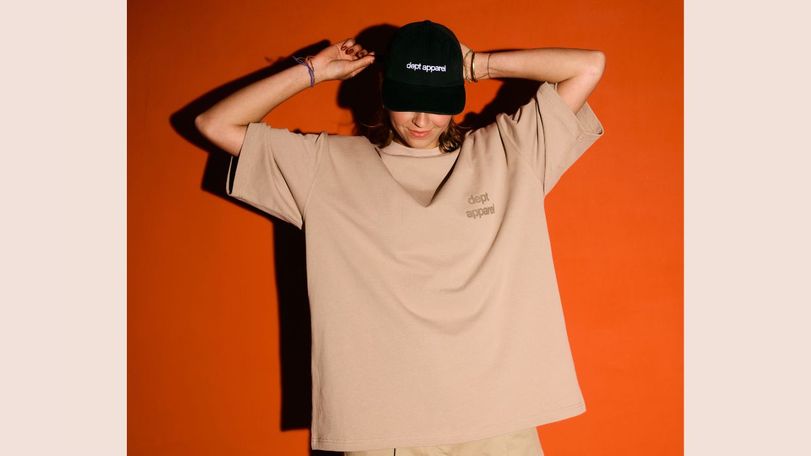
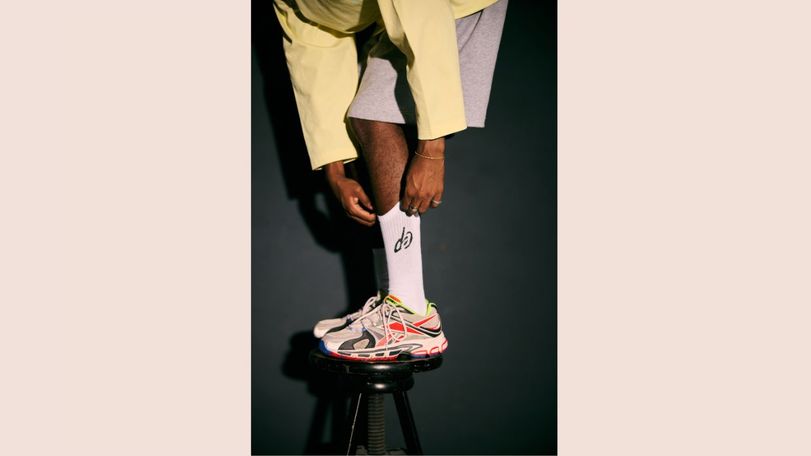
DEPT Apparel started during the pandemic, when everyone was stuck at home and we were all looking for ways to still feel connected. There wasn't a strategy or a business case. Someone had a good idea, made a few pieces, and people loved them.
None of us expected what happened next.
Every drop became a little event. People started asking when the next one was coming, swapping pieces, wearing them to work, festivals and holidays. Somewhere along the way it stopped feeling like company merch. It became part of DEPT.
That's probably why I love it so much. In an agency where almost everything starts with a client brief, Apparel is one of the few places where we get to make things simply because we think they're fun. Sometimes it's a hoodie, sometimes it's a croissant-shaped souvenir that absolutely nobody needs; but somehow everyone wants. That freedom is rare, and I think people can feel it.
One of my favourite parts is sharing it with clients. We've created special collections for brands like Meta, Red Bull, and Lufthansa; not because they asked for merch, but because we wanted to surprise them with something they'd genuinely want to keep.
The Souvenir Shop in Cannes felt like the perfect example of what Apparel has become. It wasn't really about the products. It was about making people smile, creating something worth talking about, and reminding ourselves that the best ideas often start with someone saying, "Wouldn't it be fun if..."
1/2
2/2


Rhea Patel, new business & communications manager at adam&eve\TBWA
Good agency branding goes beyond great merch. The tote bags and notebooks still matter, but they're only part of the story. It's often the smallest, most thoughtful touches that leave the biggest impression. Just like a creative brief, you can run wild with ideas and there are endless possibilities: edible treats, swathes of stationary and bespoke branding on, well, everything.
The only downside? The lead times. And occasionally, the cost.
But that's also half the challenge. You find yourself working with some of the most random, yet wonderfully inventive production partners across the world, creating everything from bespoke foam fingers to boxes designed to look like books.
Earlier this year, I found myself commissioning a miniature Smiski blind box, made to clip onto the top of a laptop screen. Some might call it unnecessary. The pitch team called it “wonderfully niche”. Exactly the kind of unexpected detail that sparks conversation.
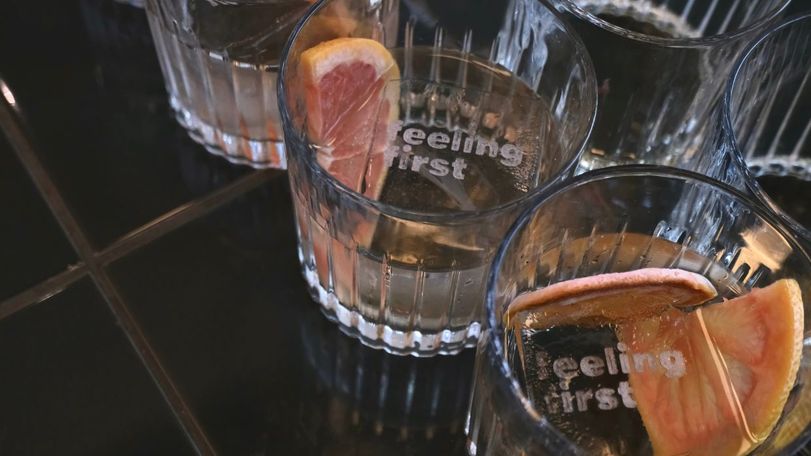
Recently, we invited our partners in to see our new office space. We served cocktails with gargantuan ice cubes embossed with the agency’s Feeling First branding. It was a tiny detail, but one that nobody expected. Any agency can hand out a branded biro (still useful, of course), but how many go to the effort of branding the ice in your drinks?
Knowing when to invest in those moments - and finding the right balance between bringing the agency's positioning to life, creativity and practicality — is what transforms agency merch from products that end up in landfill into experiences they remember, talk about and make them feel something.
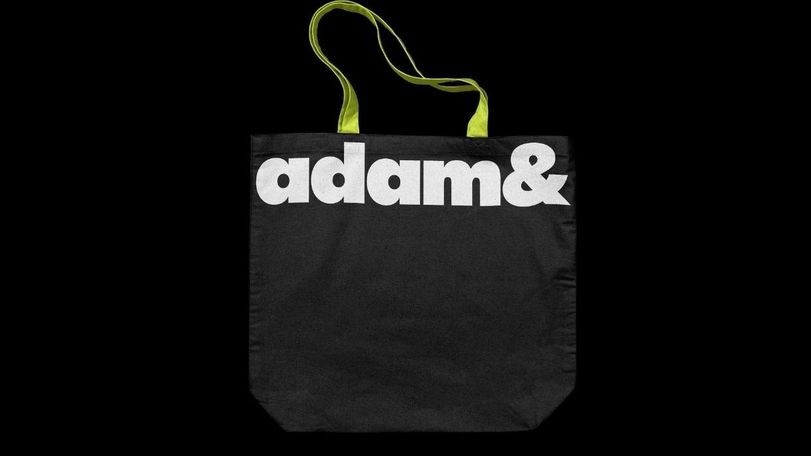
But the real question is — will we ever escape from the omnipresent agency tote bag? Not a chance. The adam&eve tote has become something of a cult favourite, I get regular requests from agency partners and adam&evers asking when the next batch is due. To me, that's the best sign: merch that's actually used and loved.
1/4
2/4
3/4
4/4


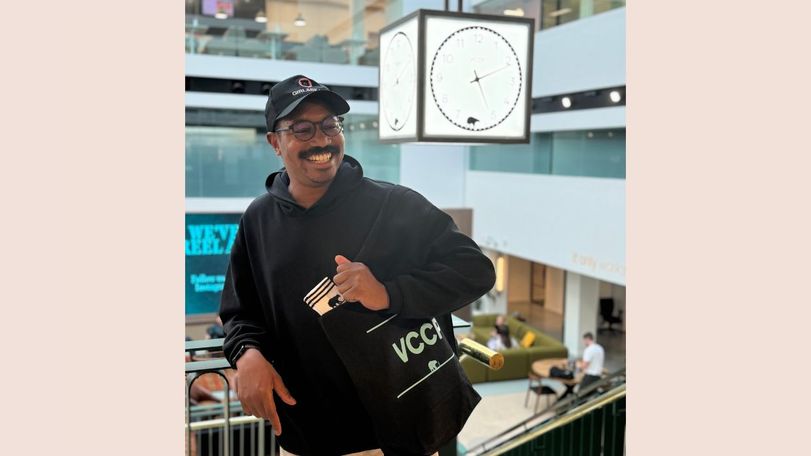
Stephanie Brimacombe, CEO VCCP Roar, EMEA and Group CGO at VCCP
Here at VCCP we’re massive fans of agency merch — just ask any of our clients or friends (* cough * Jeremy Lee).
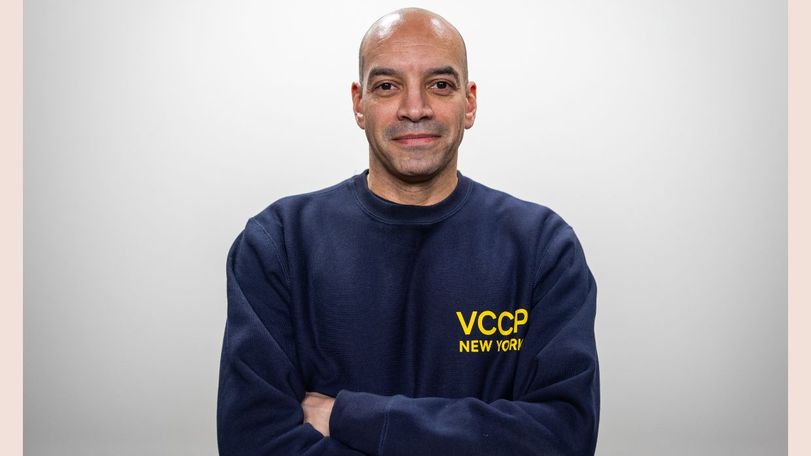
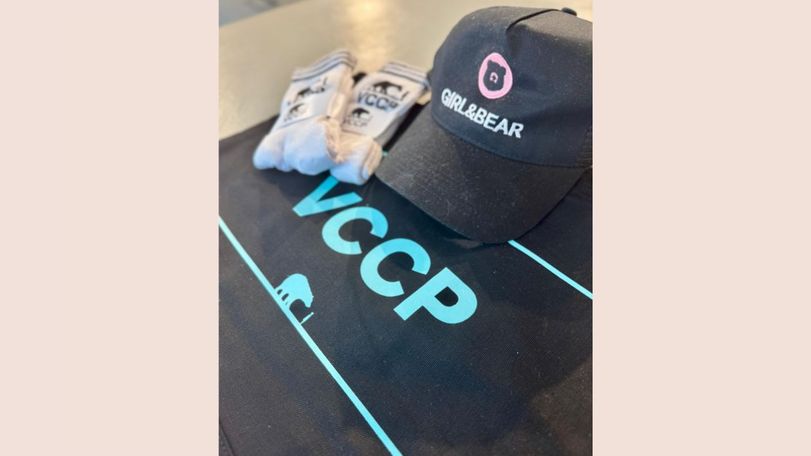
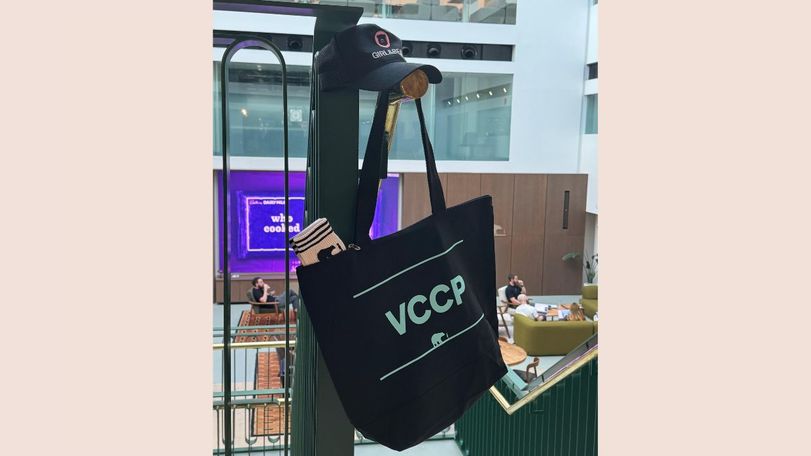
Whether it’s our Cannes tote bags frequently spotted on the Croisette, our signature navy jumpers, or our newest addition of white VCCP sport socks, we frequently hear reports of our merch being spotted in the wild across London (and globally).
But our merch isn’t just for friends of VCCP — we share the love internally too. A few years ago, we invited every single employee globally to order a free VCCP sweatshirt. Many still wear them today - just last week, I joined a meeting with James Hutchinson from our Sydney-based PR agency Sling&Stone, who was proudly sporting his VCCP Spain sweatshirt.
For us, merch is a simple way to bring our challenger culture to life, build belonging and give people something they genuinely want to wear. It’s one small part of making our culture tangible, inside and outside the agency. Because it only works if the merch works!
1/2
2/2


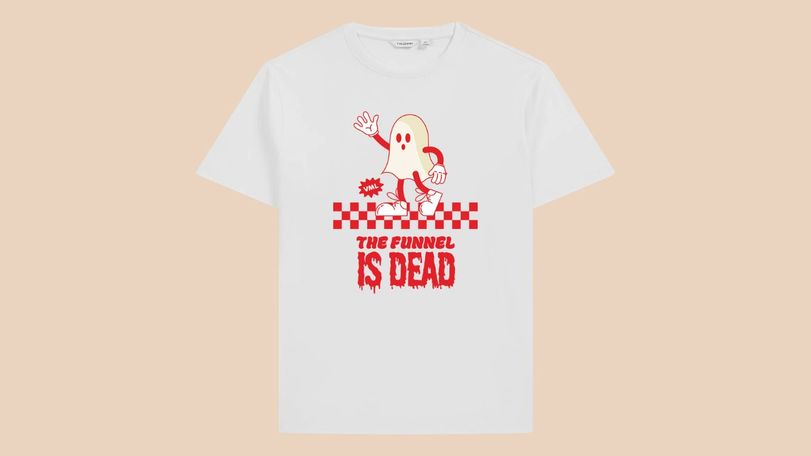
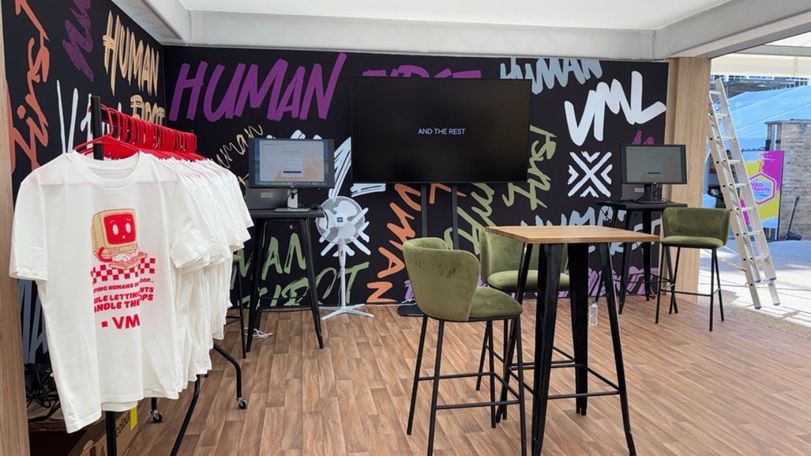
Cat Davis, chief marketing officer at VML UK
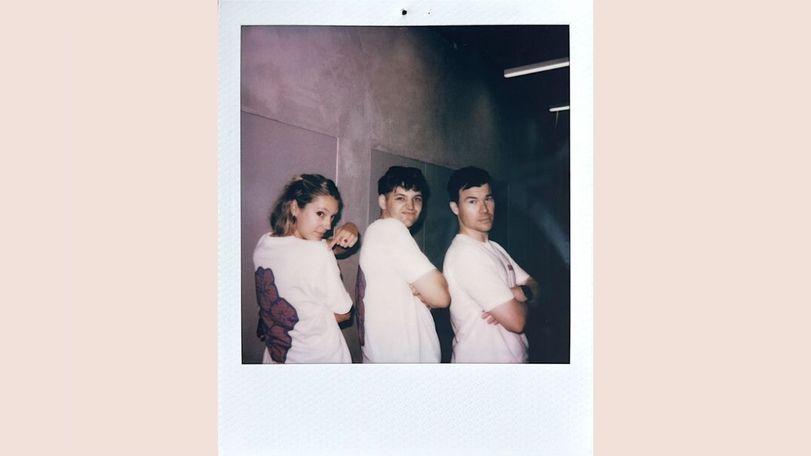
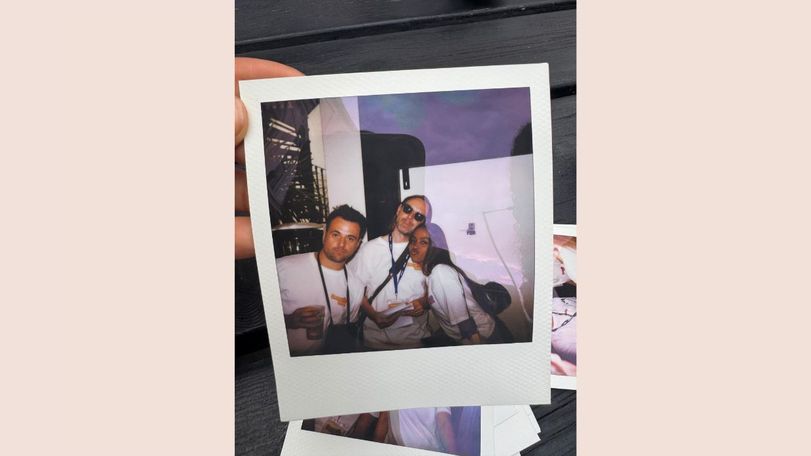
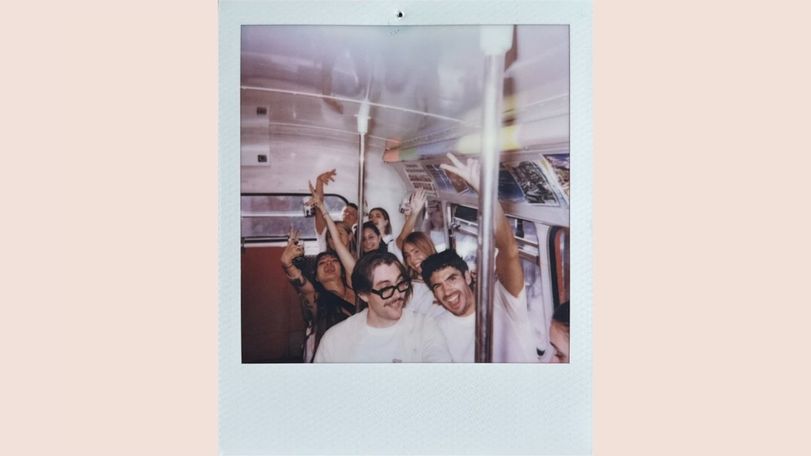
MAD//Fest reminded me that adland's love affair with merchandise is alive and well.
By the final afternoon, Brick Lane had descended into a branded feeding frenzy. Tote bags stuffed with other tote bags. Attendees hoovering up notebooks, caps, pens and plush toy freebies with the determination of contestants on a game show.
Which raises an uncomfortable question: if we're supposedly in the ideas business, why are we all competing on merchandise?
At VML, we wanted our merch to reflect our culture, so we started with an idea rather than a giveaway. Visitors completed our online Agentic Readiness Audit, receiving a personalised assessment of how prepared their brand is for AI-driven commerce and discovery. In return, they could choose one of 100 limited-edition T-shirts inspired by Julie Austin's Bots, Brands & Bullshit speaker slot at MAD//Fest.
The shirts weren't the point. The conversation was. Useful before promotional. Thought-provoking before branded.
Great agency merch is a tangible expression of an idea worth taking home, and a conversation worth continuing — not a giveaway.
1/4
2/4
3/4
4/4


Elliott Holohan, new business & marketing manager at Droga5 London
Agencies spend all day helping brands work out who they are, how they show up and what they put into the world. So there’s something interesting about putting that same scrutiny on ourselves. If you took the logo off, would the item still feel like us?
The best agency merch creates a sense of belonging. A bit like the fridge magnet from a great holiday. A tiny, plastic, arancini magnet has very little value, until it’s your tiny, plastic, arancini magnet. The object isn’t really the point; it’s the memories attached to it.
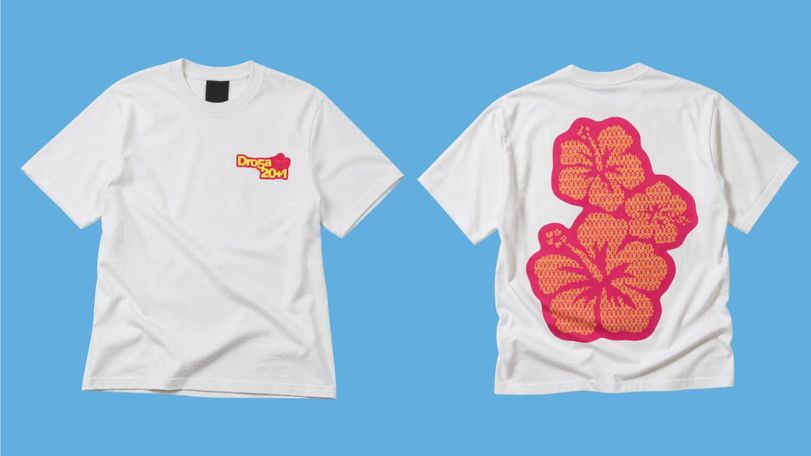
We recently created t-shirts for our Droga5 20+1 Summer Party. Everyone wearing them together gave them a meaning they’d never have on a coat hanger alone. They became a physical trace of something intangible. An inside joke, a shared memory, a marker that you were part of something bigger.
I think that’s how agency merch has evolved. Less about putting your logo on something, anything and sending it out into the world. More about building the brand from the inside out.
And for an agency, that matters. Your people are the most powerful expression of your brand. If they’re proud to carry a little bit of it with them, then that says more than a logo ever could.
1/3
2/3
3/3


Laura Gérard, new business & marketing director at Iris
At Iris, we have a clear vision on what merch should be. So much branded merchandise ends up in landfill, which sits at odds with our values, so we're deliberate about every piece we produce, whether for internal teams, clients or prospects.
Each item has to earn its place. It should carry our visual identity and our personality, but it also has to be genuinely useful; something people actually want to keep and use, not just another item bound for a drawer or the bin.
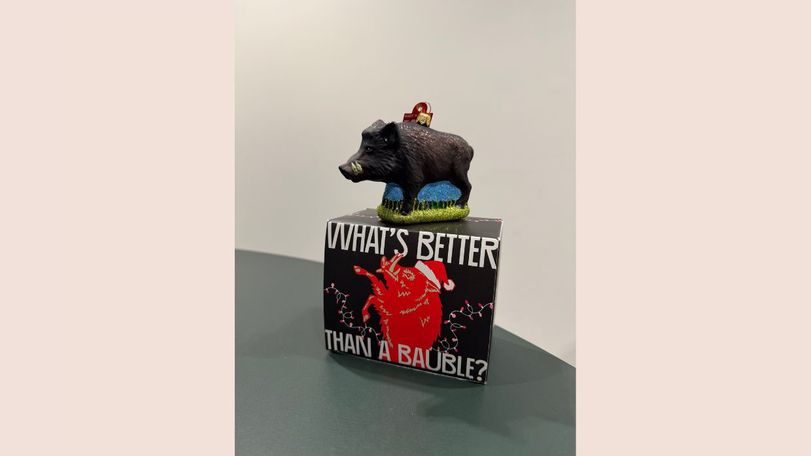
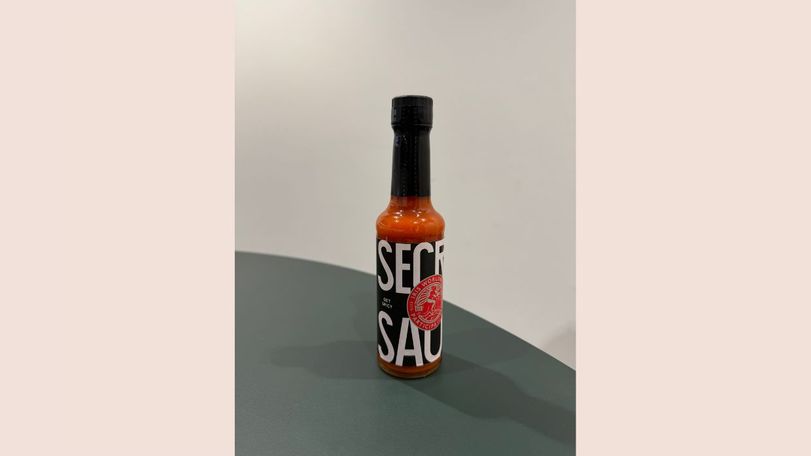
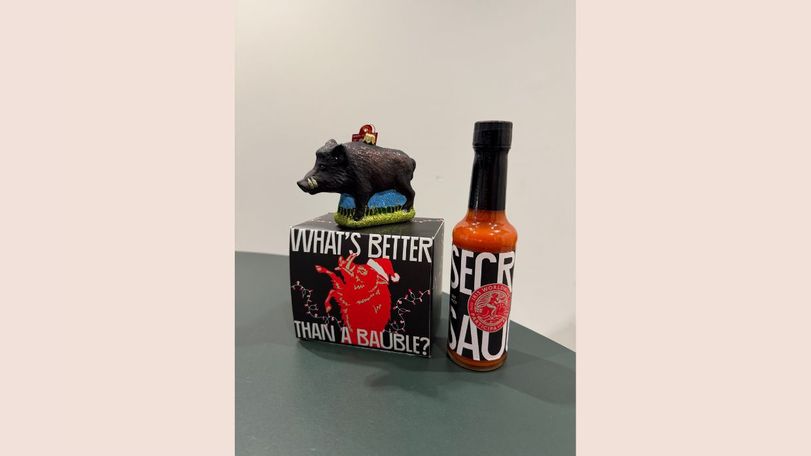
We have a small set of core pieces that stay in rotation year round, alongside seasonal editions that let us have a bit more fun with our personality, like our boar-buls at Christmas.
For us, merch is an extension of our culture. It should feel unmistakably Iris, and if someone's still using it in six months, we've done our job.
1/4
2/4
3/4
4/4


Bruno Regalo, design chief at TBWA
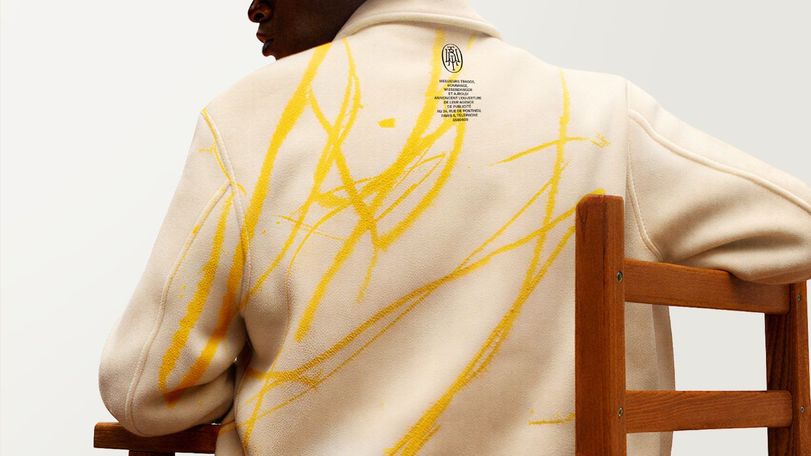
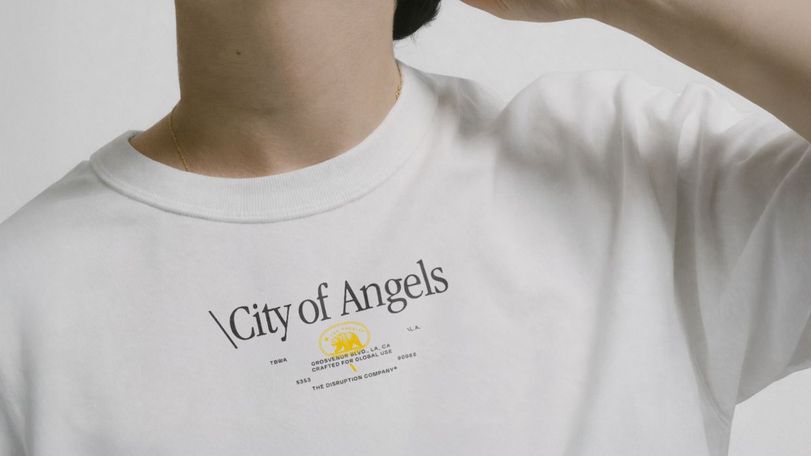
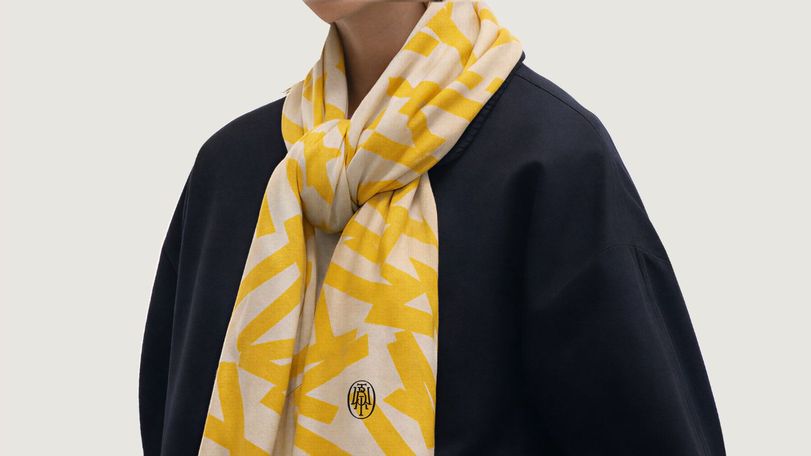
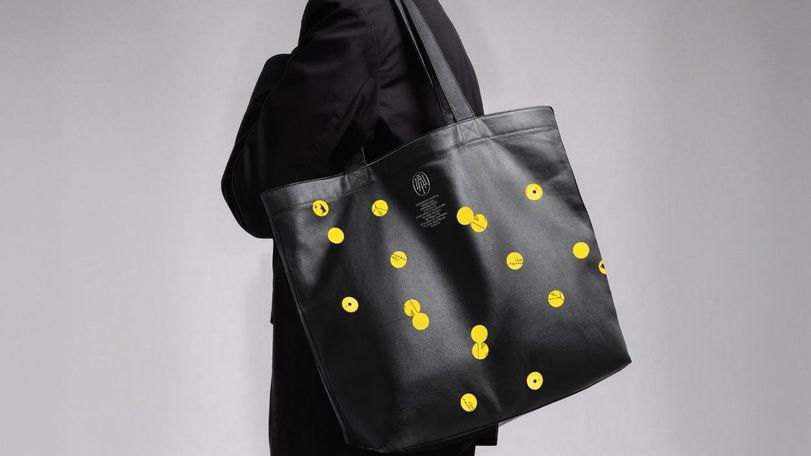
The world didn’t need another agency rebrand. So for us, this couldn’t just be about changing how TBWA looks. Over the last eight months, we’ve become a much stronger and more creatively diverse Collective, with DDB and MullenLowe joining us. The identity needed to reflect that new reality. We stand on the shoulders of giants like Bill Bernbach, Frank Lowe, and Lee Clow. That legacy isn’t something you redesign. You build on it. The opportunity was to take that spirit and make it feel relevant for who we are today and where we’re going next.
The brief was actually very simple: don’t invent a new TBWA. Express what TBWA has become. We started with the philosophy, not the visuals. What should a global creative Collective feel like today? How do you create something recognisable around the world without making every office look exactly the same? The goal was one shared visual language with enough freedom for every agency and culture to make it their own.
We hope this evokes confidence, personality, and a little bit of chaos. We talk a lot about breaking conventions for our clients, so we should be willing to do the same with ourselves. I wanted the identity to feel human and expressive rather than perfectly controlled. There’s always been a pirate spirit inside TBWA. The challenge was finding what that spirit looks like today.
Share


