/f/102932/1240x697/e1a1e6253e/lisa-boyles-giffgaff.jpg)
talon's stories from the streets
Walking Around Weymouth: giffgaff's Lisa Boyles
From childhood holidays to sustainable media planning, the marketer reflects on the resort that has influenced her family life and her career, and why thoughtful OOH advertising can help communities
08 September 2026
There are some places you visit, and there are others that become part of your family.
For Lisa Boyles, head of go-to-market and media at giffgaff, Weymouth falls firmly into the latter. Despite growing up in Reading, the Dorset resort has been the backdrop to family holidays for four generations, from her great grandparents strolling along the promenade to weekends today spent hiking the Jurassic Coast or swimming in the bay.
It is also where she has watched a town embrace change without losing its identity - a lesson that has unexpectedly shaped how she thinks about out-of-home advertising.
In the latest in our Stories from the Streets series, created in partnership with Talon, she tells us more about why Weymouth has such a big place in her heart.

Stories From The Streets - Lisa Boyles' Journey
I sometimes joke that Weymouth is my second home, but it genuinely feels that way.
I've been visiting since I was a baby, staying in a caravan that belonged to my dad's parents. The lovely twist is that my mum's grandparents owned a caravan on exactly the same site years before. Somehow, before my parents had even met, both sides of my family had already chosen the same place to spend their holidays.
I even found an old black-and-white photograph of my great-grandparents walking along the promenade.

When you stand there today, it's remarkable how much is still recognisable. The Victorian clock [see above] is still there.
The seafront buildings haven't lost their character. It feels like somewhere that's evolved gently rather than trying to reinvent itself. That's probably why I keep going back four-or-five times every year.
These days, I spend as much time walking as I do sitting on the beach. I've hiked from Corfe Castle to Weymouth, and from Weymouth to Bridport, and I love open-water swimming, although I wasn't expecting one swim to include an encounter with Sammy the seal, who's become something of a local celebrity.
It's impossible to get bored of the place.
One of the biggest changes I've noticed recently has been the arrival of digital out-of-home screens along the seafront. I know there was some scepticism locally at first, but what struck me was how much of the advertising was for local businesses. The Weymouth Pavilion, independent cafés, restaurants, and local attractions all appeared on the screens. More recently I've started seeing bigger brands too, but often promoting their local stores and we know that the revenue from this advertising is actually funding the local community
In a town that's so reliant on tourism, that feels important. Those screens aren't just selling products; they're helping visitors discover businesses that make Weymouth what it is.

OOH Case Studies
I've always loved working on out-of-home. It's one of the few channels that people genuinely trust, and because it occupies public space, there's a responsibility to use it thoughtfully.
That became even more apparent in 2023 when we really began embedding sustainable media planning into our campaigns. It wasn't just about choosing OOH as a channel — it was about questioning every decision we made. Could we reduce carbon emissions without compromising effectiveness? Could we plan media more intelligently rather than simply buying more of it?
The answer was yes.
Working alongside our agency partners, we introduced a series of practical changes. We switched digital screens off overnight where the audience impact was minimal but the energy saving was significant. We used recyclable paper for six-sheet posters and prioritised digital sites powered by renewable electricity. Those decisions formed part of a much broader approach to responsible media planning across every channel, guided by our Responsible Marketing Manifesto and a commitment to reducing our environmental impact wherever we could.

The results proved that doing the right thing didn't mean sacrificing effectiveness. That first campaign reduced carbon emissions by 14 per cent across all channels compared with more traditional planning while still delivering significant lifts in brand awareness.
What surprised me most was discovering just how much innovation was already happening across the out-of-home industry. I'd assumed it might be one of the less sustainable media channels, but the opposite proved true. From renewable-powered digital screens to recyclable materials and smarter ways of buying media, I realised the industry was leading by example.
We even found a second life for one of our campaigns once it had finished. Rather than discarding printed billboard skins, we turned them into travel pouches for everyone who had worked on the campaign. Mine still travels everywhere with me, carrying my notebook and speaker notes - a daily reminder that good ideas don't have to end when a campaign comes down.
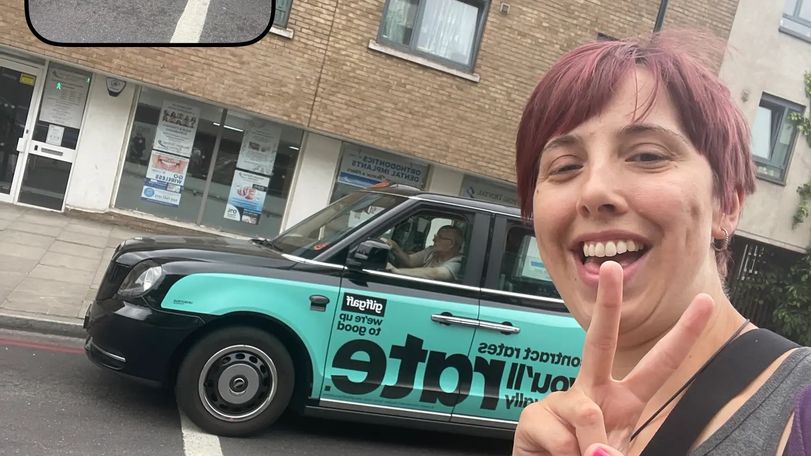
1/3
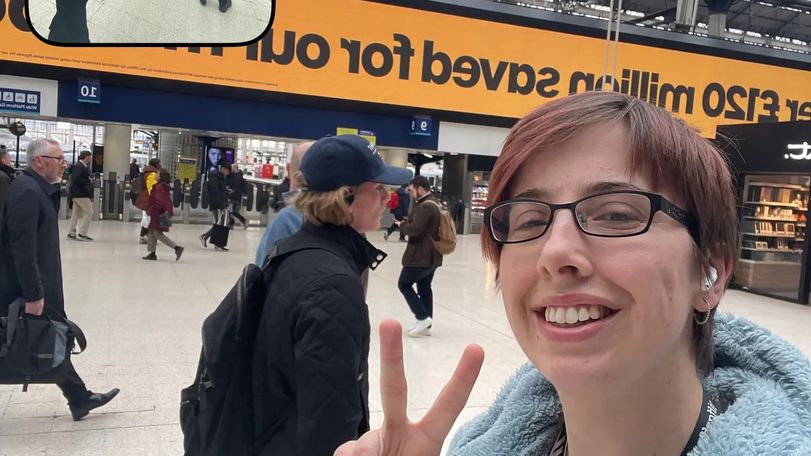
2/3
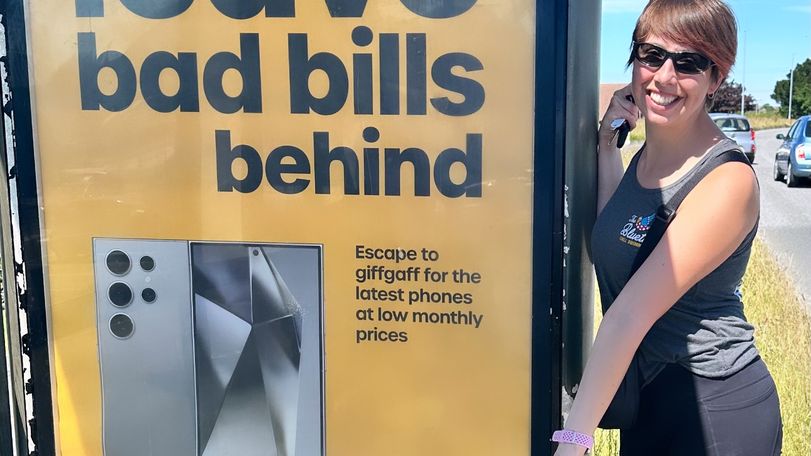
3/3


It's an approach that's gone on to be recognised with five Ad Net Zero Awards, two Marketing Society Awards, and a Media Leader Award. But for me, the real achievement is showing that responsible media planning doesn't mean asking audiences to compromise. The most effective advertising can also be the most thoughtful.
Share


