/f/102932/1240x697/638c81d3e7/trainline-s-ads-are-improving-travel-3.jpg)
Creative Spotlight
Trainline Is Rewriting the Passenger Experience
Working with WPP Media and Wieden + Kennedy, the platform is experimenting with how brands show up for passengers at their most frustrated moments
15 June 2026
Trainline is on a journey of its own. Last year, the government recorded over 322,000 complaints from rail passengers, with 1,729 million passenger rail journeys made across the UK rail network. For a platform sitting at the centre of that experience, disruption isn’t an edge case, it’s the norm.
In response, and under its brand platform ‘The Way to Train’, the Trainline wants to be seen as an indispensable partner to passengers - using creative confidence and modern media techniques to showcase a suite of smart tech designed to make journeys smoother.
Six months on from launch, that ambition is still building: to reposition Trainline from ticketing utility to real time travel companion. The platform’s AI and data driven tools - including Travel Forecast, Travel Assistant, and Delay Repay alerts — are designed to remove friction at the moments passengers need help most. It now has more than 39 million downloads, with users across 40 countries.
“Historically, we’ve always been about simplifying a very complex market for the customer,” explains Jess Wilde, senior brand marketing manager for Trainline, as the company looks to shift perceptions from being just a ticketing platform to a support service for the wider travel experience.
The Way to Train launched last December with a full funnel campaign created by agency partners WPP Media and Wieden + Kennedy. It was informed by research showing that 66 per cent of travellers anticipate or fear disruption when booking tickets, and that they primarily lack control and information during rail disruption.
The humorous hero film reflects the emotional experience of travel disruption, as well as travellers using AI powered tools to guide them through every journey - and every bump along the way.
Personalised messaging to the fore
Working with WPP Media, Trainline began a high impact broadcast strategy to reach a broad audience while supporting passengers in their moments of need. That included deploying smart, contextual activations to showcase the four product features.
They partnered closely with all agencies to relaunch the creative platform, using high impact broadcast channels to reintroduce Trainline while balancing disruptive moments with longer form storytelling to build understanding and clearly separate product messaging from the overarching brand platform.

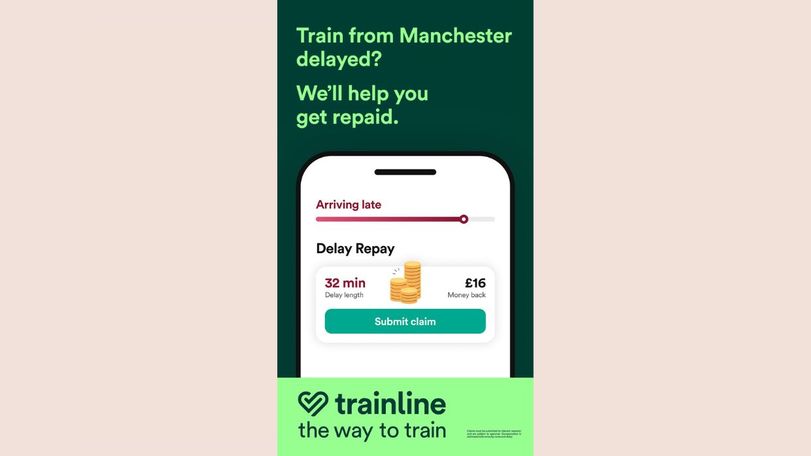
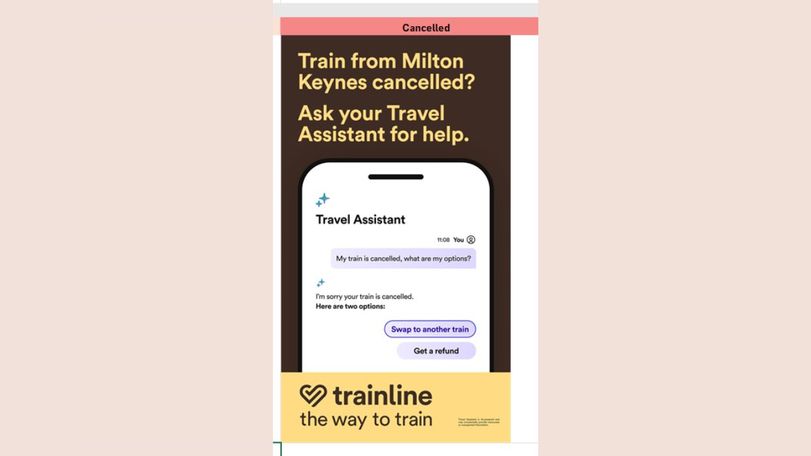
One of the campaign’s defining moves was meeting passengers at the moment frustration peaked, using live rail data to adapt out-of-home messaging in stations as disruption unfolded.
To deliver this, the team at Wavemaker working with DOOH.com built a complex, highly personalised decision system using a network API, serving different creatives based on operator, location and the length of a delay, from 15 minutes upwards. It allowed Trainline to deliver hyper relevant messages, such as Delay Repay prompts when specific routes were cancelled and they needed them most.
1/2
2/2


Increasing influence
The second part of the strategy focused on longer form, high reach channels - such as YouTube and Reddit - to lean into the power of storytelling, explains Zoe Morgan, planning lead at Wavemaker (WPP Media). “These are new features to people, but you’ve also got a new brand platform. So we were making sure we had a really clear distinction between those two main elements of the strategy.”
Testing Reddit for the first time, the team tapped into active travel related subreddits to show up in real time conversations. January’s storms, unexpectedly, created plenty of disruption moments to activate against — helping the campaign appear when it mattered most.
“Reddit was a social platform we’d never used before, and the amount of conversation in those subreddit communities is huge. It helped us show up in moments people were already talking about, which we were really excited to test,” adds Morgan.
Wilde says the nature of the campaign made it essential to appear in real time during moments of travel disruption — supporting Trainline’s ambition to become a destination for travellers when things go wrong, and helping them regain control.
Meanwhile, an influencer strategy was introduced following WPP and IPA research showing increased long and short term ROI for brands working with the creator economy.
Morgan says: “We have really robust measurement to compare creator, brand and UGC content and understand what performs better. That will influence future campaigns. When we’re working on our next round of briefing with Jess and the team, we’re seeing those native creator assets perform better. It’s definitely changing what we do.”
Wilde adds that creator content has helped build trust while educating audiences on the new features, beginning with a campaign for Delay Repay last year.
“We developed a catchy song called ‘tap that app’ and worked with a group of content creators who were buskers to amplify the message in hot spots near stations. We saw really positive results — much better than our traditional brand social advertising. So we took that learning and applied it to The Way to Train launch. It’s something we’ll definitely continue.”
Six months on, usage of Trainline’s disruption features has climbed, with more than 1 million customers using Delay Repay since launch. “We continue to run the campaign with an always on drumbeat and expect to see those numbers grow,” says Wilde.
Share


