/f/102932/1240x697/79adaeace2/ian-maybank-specsavers.jpg)
talon's stories from the streets
Stories From The Streets: Specsavers' Ian Maybank
From rural Hampshire to Waterloo’s wall of screens, the Specsavers head of media's commute is a reminder that the sharpest outdoor ideas can often be the simplest
23 March 2026
For Ian Maybank, the train ride back and forth into London is rarely just a commute. It's also a journey on South West Trains he has been doing most of his life, having been born and raised in Bournemouth, lived in London, before moving to Winchester (roughly in between).
On his weekly trip from Hampshire into London (the Specsavers support office is in Guernsey but he often works at some of his partner agencies), the scenery changes steadily — fields and small stations gradually giving way to the suburbs, the railway lines filling with posters, and eventually the dense concentration of screens and sites that surround Waterloo.
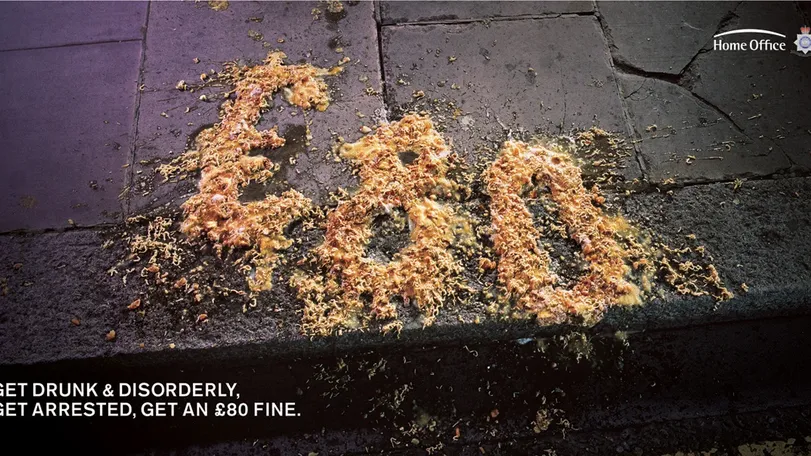
For someone who has spent most of his career working in advertising it's impossible not to notice. Maybank started at Spirit before moving to Rainey Kelly Campbell Roalfe/Y&R, where he worked on brands including Lloyds Bank and the Home Office. One of his favourite pieces he had a hand in from that period was a striking Home Office poster [see below] that became widely talked about — even appearing as a political cartoon in The Times — long before social media turned outdoor into a shareable medium.
1/2

2/2


After later agency experience at Grey, Maybank moved client-side with PepsiCo and is now head of media at Specsavers. He has long believed that out-of-home remains one of the most powerful ways a brand can show up in the real world — a medium that rewards clarity, timing and a sense of humour.
It’s also one that suits the Specsavers brand particularly well. From playful poster executions to carefully timed cultural moments, the company has spent years proving that a simple line — delivered in the right place — can travel far beyond the site it appears on.
In this latest ‘Stories From The Streets’ interview, in association with Talon, Maybank tells us about how and why he's always loved outdoor.

Stories From The Streets - Ian Maybank's Journey
My regular trip into London starts down in Hampshire, around Winchester.
At the start it’s pretty rural. Countryside, small stations, not much advertising at all. Then gradually you start edging towards the M25 and the outskirts of London.
Once you get near places like Woking, the posters start appearing. You see them across the rail lines, on the platforms, across bridges. And I’m always looking. It’s instinctive. If you work in this industry you can’t really switch it off.
Most of the time I’m working on the train, but I’ll still be clocking what brands are out there and what they’re doing.
As you get further into London you hit Clapham Junction.

The site I can’t stop thinking about
There’s that massive poster site there that everyone in the industry knows. Every single time I pass it I find myself looking at it and thinking: when are we going to get that on a media plan again?
I think the last time I used it was back in the Rainey Kelly days for Lloyds.
You also start noticing how the advertising changes as you move into London. Brands that only really advertise in the capital suddenly appear.
When you live outside the city you’re not always exposed to those campaigns, so coming in gives you a completely different view of what’s out there.
Then you roll into Waterloo and honestly it’s just sensory overload.

Arriving at Waterloo
There are massive digital screens on the platforms, huge poster sites, panels everywhere, advertising everywhere you look while people are queuing to get off the train.
And then you’ve got the IMAX as well. That’s another one I always look at. A bit like the Clapham Junction site — it’s always there and you’re always thinking about how you might use it.
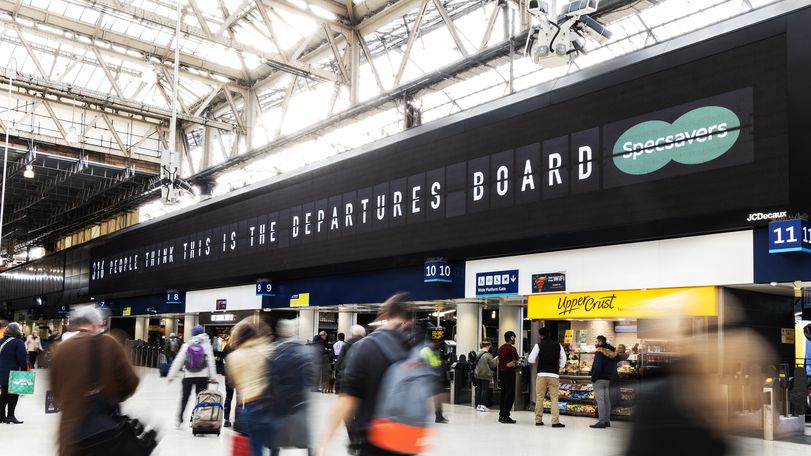
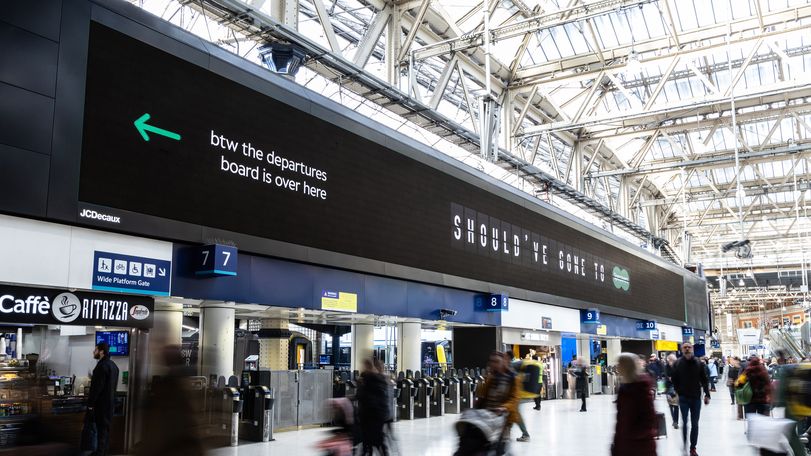
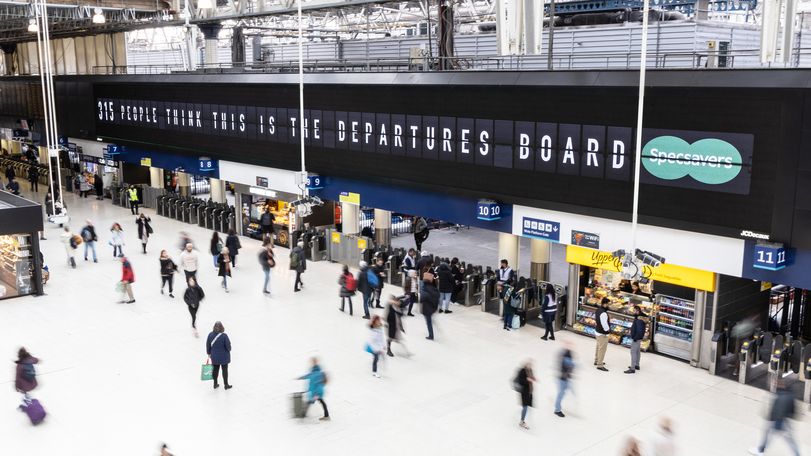
We actually did a Specsavers execution around Waterloo last year where we played with the departure boards and made it look like a platform announcement — before revealing it was an ad.
Those are the moments you love. Especially when colleagues or partners send you pictures saying they’ve seen it out in the wild.
1/3
2/3
3/3


Why outdoor still feels different
What I love about out-of-home is how playful you can be with it. It can be more than just a poster. It can turn into something people photograph, share and talk about.
And it’s simple. There are no ad blockers. No skipping. You just have to get the idea across quickly.
In a world where advertising is getting more and more targeted and complicated, that simplicity is quite refreshing. It’s also everywhere. Every town, every high street, every petrol station, every bus stop.
And importantly, the money you spend in out-of-home goes back into communities — into local infrastructure and councils — rather than disappearing off to tech companies overseas.
One of my favourite examples was the Specsavers van stunt we did. We created a branded van that looked like it had parked in the wrong place and then been lifted into the air by one of those rising bollards you get in pedestrian areas.

It looked completely real.
People walking past started filming it and posting it on social media. Then it got picked up by the press and even featured on 'Good Morning Britain'.
The thing I liked about it was how simple it was. We spent about £70,000 doing three of them — two in the UK and one in Ireland — but it travelled much further because people talked about it.
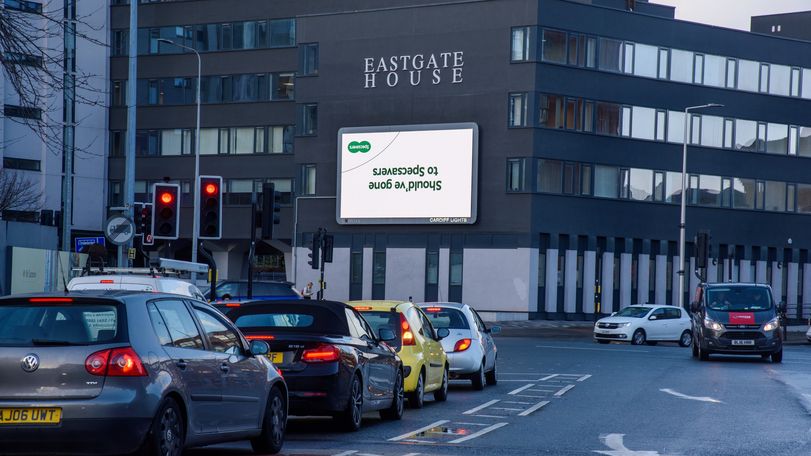
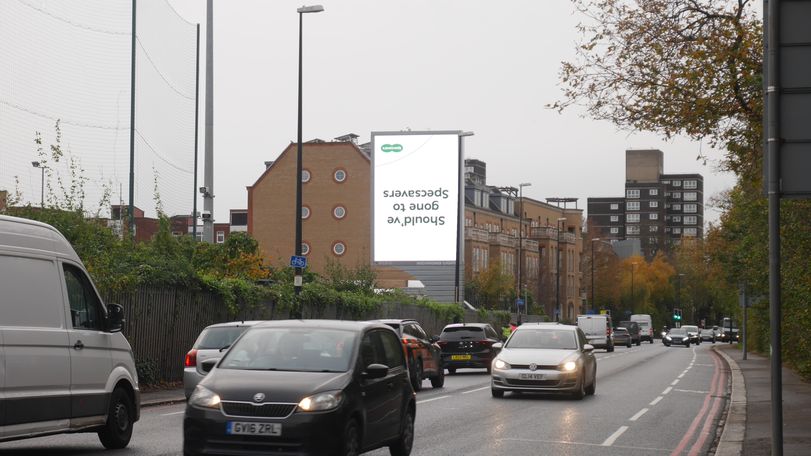
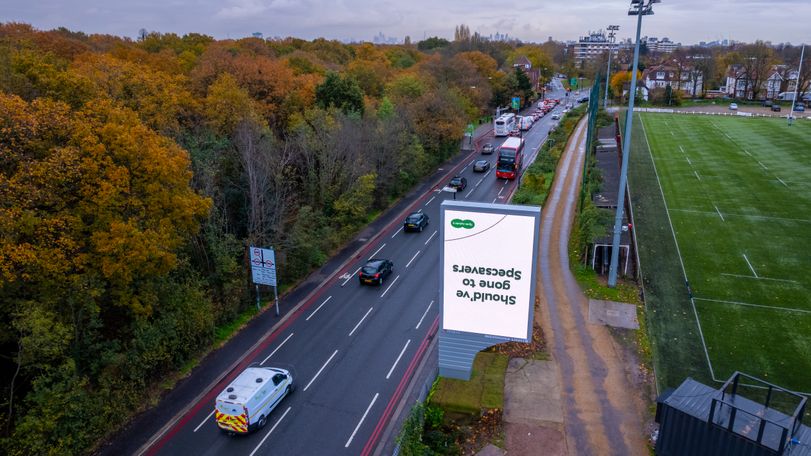
Sometimes the simplest ideas work best. We’ve run posters upside down before. Or clipped the logo slightly so it looks like something’s wrong.
The best feedback we’ve had is when colleagues inside the company email us saying they’ve seen a Specsavers poster on their local high street that’s upside down and asking whether someone should fix it. That’s when you know it’s working.
1/3
2/3
3/3


One of the strengths of the Specsavers brand is the consistency behind it. Our in-house creative agency has been working on the brand for years, and some of the people there have been involved longer than I have.
At the same time we talk about what we call “fresh consistency” — keeping the core idea intact while continuing to bring new thinking into it.
Across all of that there’s one simple rule: the humour has to feel true. We never want the public to be the butt of the joke. It’s always about laughing with people rather than laughing at them.
OOH Case Studies: 'Original Blur Rivals'
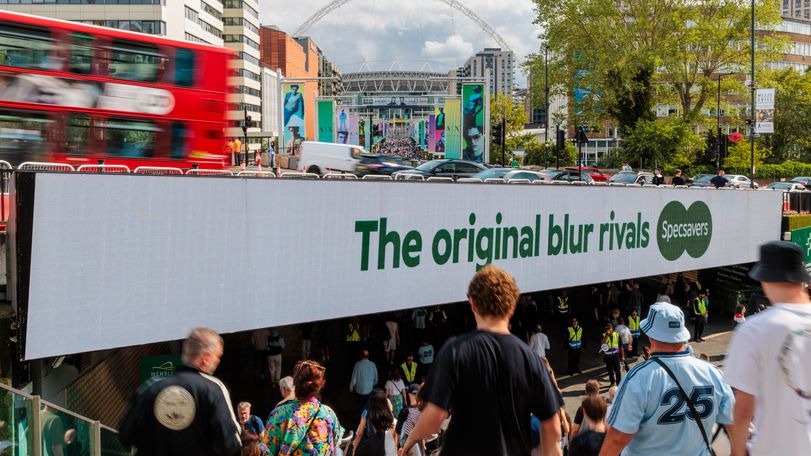
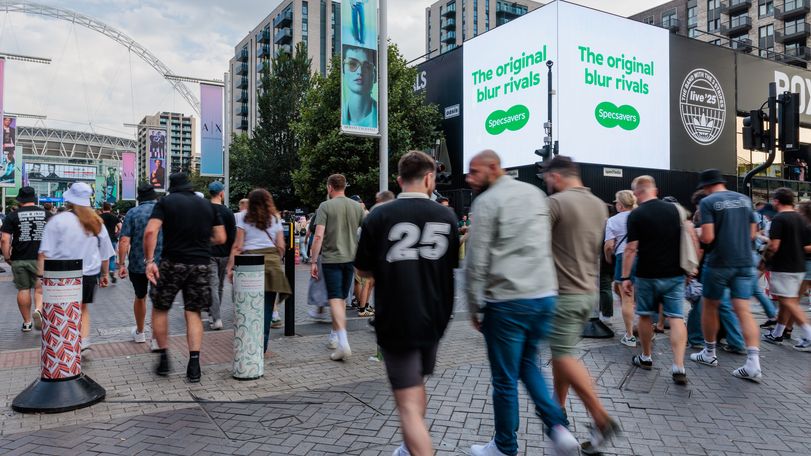
Another campaign I’m really proud of is the 'Original Blur Rivals' poster we ran around the Oasis concerts.
1/2
2/2


What’s funny about that one is we actually booked the poster sites before we had the creative idea.
Our media agency told us there were sites available around Wembley and Cardiff during the concerts and asked if we were interested. We said yes, and then went away to figure out what to do with them.
Our in-house creative team came back with the line “Original Blur rivals”. That was all it needed. As people were leaving the concerts, singing Oasis songs, they were walking straight past the posters.
And, as often happens with outdoor, the moment travelled far beyond the people who physically saw the site because it was photographed, shared and picked up in the press.
Share


