/f/102932/595x669/f11375d9bb/sarah-horowitz-crayola.jpg)
CMO Spotlight
Crayola's Sarah Horowitz on Inspiring Creativity Across Generations
The senior marketer talks the brand's recent collaboration with Clinique, her journey to the 123-year-old brand, and why creativity is always king
07 April 2026
Crayola is staple of growing up. It's a brand that plays a part in the memories of millions all around the world — be that sat at a small classroom table while attempting to colour in within the bold, black page lines on the page, or arguing with siblings about a favourite colour being snapped in half.
It’s a brand that helps provide the foundations of creativity which has given it a rich history.
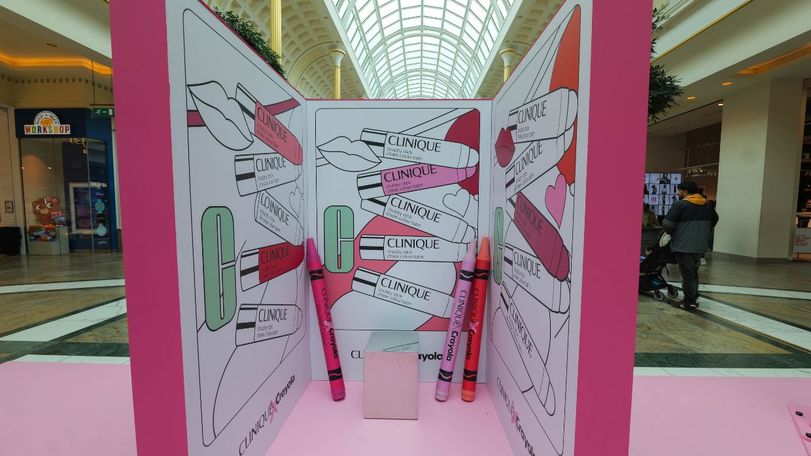
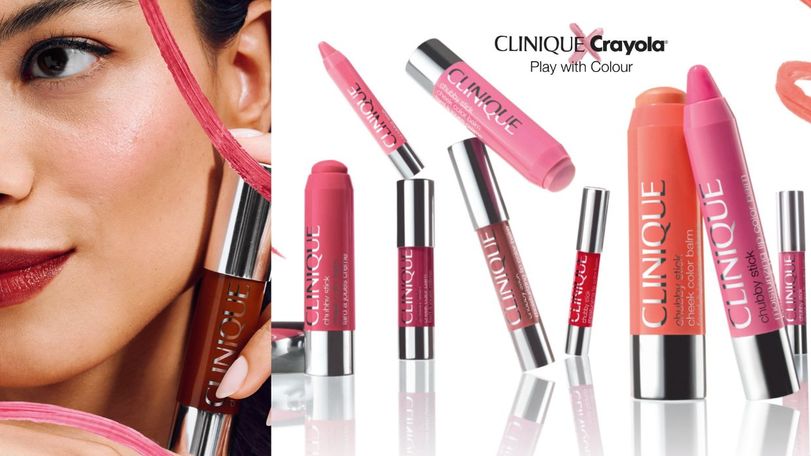
At 123 years old, it's has evolved beyond producing crayons, however. Recently it moved into beauty with its collaboration with make-up brand Clinique that saw the return of the famed Chubby sticks which replicated the look of a chunky, classic crayon that originally launched in 1997.
Its creative spark continues to transverse across generations and spaces — and for its marketing director, UK & Northern Europe, Sarah Horowitz, the brand is a marketer’s dream.
The Legacy Of An Iconic Brand
Leading the charge for a brand with such an established legacy is no easy feat to take on; for Horowitz, having spent the majority of her career working in FMCG, joining Crayola was a no-brainer.
She began her career with Louis Vuitton out of University before moving to Ferrero after a year, working across TicTac, Nutella, and Kinder. She would then go onto work at United Biscuits.
Horowitz' next move was to Kimberly-Clark, where she spent five years leading its Diapers portfolio in the UK and then global innovation of its Tissue businesses. She joined Crayola in July 2025.
“It’s such a purpose-driven brand; more than 40 per cent of the world’s children live in EMEA, but only 5 per cent of our business is there. The business was also coming back in-house after 20 years of being sold through a distributor, creating an opportunity to drive culture, business growth and purpose. How could I say no to that?
“In FMCG, I worked with a ‘fewer, bigger, better’ mantra, but here it feels like the rulebook has been thrown out - it’s about more and more innovation,” she continues.
Crayola’s legacy as a brand is one of icon status - nine out of 10 parents trust them; and Horowitz revels in the challenge of marketing it across the UK, particularly in the age of emerging technology and AI.
“The brand is over 120-years-old, and you can’t move away from that iconic green and yellow crayon pack - even the smell when you open it,” she outlines. “The brand mission is about helping parents and teachers raise creatively in children, and that’s very similar to what it was when the brand was established.
“What’s different now is how we deliver that. A stat that always stands out to me is that Generation Alpha, by the time they’re seven, will have spent over a year of their life on screens.”
While certainly a staggering statistic, Horowitz notes the opportunity it creates for Crayola which, despite mostly being known for it, has a portfolio beyond Crayons.
“We have core essentials, a toy business, and a wider content ecosystem. That includes a YouTube channel, apps, and US-based entertainment experiences where you can immerse yourself in the brand."
She continues: “It’s about driving relevance for today’s consumers. At the same time, parents are increasingly short of time, with many households having both parents working. While nine out of ten parents recognise that creativity is important as a life skill, just over half struggle with how to actually nurture it.”
Showing Up In Unexpected Spaces
Crayola’s recent collaboration with Clinique isn’t the first time the brands have joined forces having previously partnered on a promotion in 2017.
“I like that it feels surprising because that helps grab attention and create memorable moments. More importantly, it reinforces that creativity isn’t just for children — it’s about self-expression," Horowitz explains.
1/2
2/2


Part of Horowitz’s mission at Crayola is to create opportunity for all types of creativity to be represented; “In today’s world, we’re seeing both adults and children using things like makeup as a form of self-expression, particularly within the health and beauty category. So for me, it’s a very natural partnership - a symbiotic relationship that works well.”
The renewal of the partnership came from consumer demand, with the previous collaboration proving to be one of Crayola’s most successful.
Some of its more recent work saw the brand also team-up with McDonald’s from September through to March. Through its Happy Meals, it's is distributing millions of pencils across markets.

When considering partnerships, Horowitz is clear about the desired outcomes.
“There are three main outcomes we’re looking for. First, driving penetration by bringing new consumers of all ages into the brand. Second, being present where consumers can discover Crayola, across different retail channels and beyond retail. And third, building brand love.
“In the UK, around 85 per cent of consumers know Crayola, so it’s about how we use social and cultural moments to build on that and deepen engagement.”
An example of the brand showing up in an arguably more surprising space is its collaboration with famed YouTube creators Sidemen last year, who have 23 million subscribers.
“We partnered on a six-piece clothing range,” Horowitz explains. “It was a great example of nostalgia meeting cultural relevance, generating over 17 million impressions and more than 200,000 comments... It’s about showing up in surprising places to drive cultural relevance.”
Nurturing Creativity
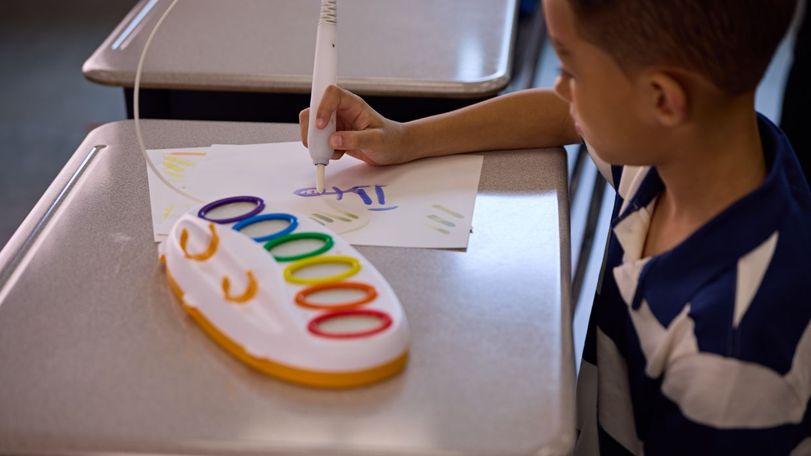
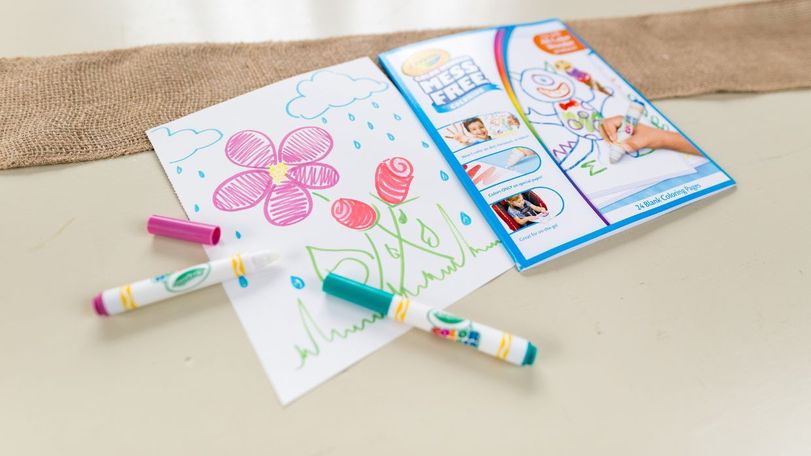
True to its roots as a brand, Crayola continues to inspire and nurture creativity across the UK’s schools - the fifth year of its annual ‘Crayola Creativity Week’ being its most recent example.
“It’s an idea designed to bring together our mission: helping parents and educators raise creatively in children, with the challenge that many parents and teachers face in finding ways to unlock creativity,” explains Horowitz.
1/2
2/2


She also notes that while it’s something most associate with Crayola, creativity today doesn’t just mean colouring in, but also cooking, reading, and sport.
“The team wanted to create a set of free resources that teachers and parents could use with a dedicated week to focus on creativity,” she continues. “While creativity is important year-round, this gives a moment in the calendar where each day across the week offers a different set of content.
“It’s grown significantly over the past five years. We’ve just closed Creativity Week for 2026, reaching 20 million pupils globally. In the UK, sign-ups have grown from 100,000 to 400,000.
Looking ahead, there’s still a lot of headroom. In the UK alone, there are around three and a half million primary school-age children, so there’s a big opportunity to keep growing participation.”
Although its Creativity Week is just across seven days, Horowitz adds that Crayola is building a future where the messaging it brings extends beyond a single week.
“It’s about working with teachers throughout the year to help bring creativity into the classroom, especially as there’s increasing government focus on creativity in early years as a way to deliver the curriculum. So it’s a really exciting opportunity.”
The World Of Marketing According To Sarah Horowitz
What do you find most exciting about being a marketer?
Well, taking a step back, my marketing philosophy is about seeking truths, connecting with your audience, building trust, and telling a story — relatively simple in concept.
What’s exciting about being a marketer today as I try to build a brand that will stand the test of time, is a couple of things. First, I’m engaging with consumers who, while enjoying creativity as a moment of fun and play now, may not see the long-term benefits for another 20 years. Children don’t even realise these are creative moments — it’s the adult perspective that frames it as ‘developmental’ or ‘educational’. For them, it’s just play.
Philosophically, that’s fascinating to me — knowing that what we do as a brand has a ripple effect that will influence people’s lives for years to come.
On the flip side, what do you find frustrating?
I think the biggest challenge right now is the attention span of Gen Alpha. Compared to millennials, their concentration spans are much shorter. Grabbing and holding attention is a far bigger challenge for marketers in 2026 than it was years ago.
This is driven by the fragmentation of media and trade. There are so many different places where consumers can access content or buy products. We just launched our TikTok Shop. We’re testing, learning, and seeing how it performs — but the reality is that capturing attention consistently is harder and also more expensive from a budget perspective.
Do you have a favourite campaign you’ve worked on in your career?
If I think off the top of my head, the campaigns I’ve found most exciting are those grounded in true purpose, where you know you’re making an impact. Throughout my career, I’ve worked in relatively low-involvement categories from a cost or engagement perspective, but the biggest growth comes when you link work to a high emotional need.
One of the proudest pieces I worked on was with Huggies and Huggies Baby Wipes in partnership with PANDAS, a perinatal and postnatal charity. From a wipes perspective, it’s part of nurturing a child, but we also played a role in supporting parents’ mental health. For example, we funded people to work on the helpline. It felt intentional and truly purpose-driven.

The same is true from Crayola's perspective. In 2025, we donated over 250,000 pieces of product to charities like NSPCC and other local organisations, donated money, and contributed over 200 volunteer hours as a team. Our goal is to democratise creativity because it plays a fundamental role in every child’s development - especially in special education. Creativity enables children to communicate, connect, and experience joy.
That’s why I’m so passionate about continuing this work in 2026 and beyond. Knowing that we can fundamentally change children’s lives through creativity is incredible.
Do you have a campaign you didn’t work on, but admire and wish you had?
The Specsavers campaigns.
What I love about Specsavers campaigns is the brand consistency they’ve maintained over about ten years while continuing to evolve. Each campaign still feels new and culturally relevant; they’ve expanded from being about eyesight to also addressing audio.
I admire the wicked sense of humour in how it’s approached — even though you know what to expect from the brand, it still surprises you. Philosophically, I love how the brand has embedded consistency while stretching across different mediums.
They’ve continued to bring fresh, consistent storytelling. Ultimately, it taps into a simple truth but delivers it in a tongue-in-cheek way. It addresses something people might find uncomfortable, like issues with seeing or hearing, while providing both functional and emotional benefits.
If marketing didn’t exist, or suddenly disappeared tomorrow, what would you find yourself doing?
I’ve always said that I’d love to be a midwife. One of the things I find so admirable about being a midwife is that you bring families together. You can enter a hospital as one person and leave having been part of creating a family. Being present in those early years of a family is incredibly special. People always speak so passionately and wonderfully about midwives, and I completely understand why.
Share


