/f/102932/1240x697/1832ee4498/aa-x-ray.png)
The Future Belongs to Comedy With a Point
Why years of working client-side convinced Pointy Stick's new MD that comedy has become one of marketing’s biggest commercial opportunities
23 July 2026
Having spent most of my career on client-side, most recently as group marketing director at The AA, I know first hand the pressure to balance commercial objectives with creative excellence.
At the same time, protecting genuinely distinctive creativity has never felt harder. Algorithms, AI, and commercial pressures can, at times, all pull in the opposite direction. That's why I've been watching the recent conversation around comedy with particular interest.
There are lots of claims that “comedy is back”.
I'm not sure it ever went away.
The evidence has been around for years. Credos famously found that funny advertising is twice as noticeable, three times more memorable and four times more likely to drive business effects than functional work. System1 has consistently demonstrated the commercial power of emotion and enjoyment in long-term brand building.
None of that is new. What has changed is the environment around it.
There was a time when advertising interrupted entertainment. Today, it competes with it.
Whether it's Netflix, YouTube, podcasts, or live sport – audiences have never had more choice over how they spend their time. Attention is no longer something brands can expect. It's something they have to earn. That's why comedy has become one of marketing’s biggest opportunities. Not because people suddenly want more jokes, but because comedy is uniquely equipped for a world where attention is voluntary.
Comedy makes complicated subjects accessible, brings warmth to difficult messages and turns ordinary products into cultural talking points. It is distinctive, shareable and survives repeat viewing.
AI can certainly accelerate creation, but the craft and judgement behind truly great comedy become even more valuable. Timing, instinct, nuance, empathy, emotional intelligence, and shared cultural understanding all remain stubbornly human. That's a very different proposition from simply making an ad more entertaining.
At The AA, I was responsible for deciding where creative investment went and what delivered commercial results. It taught me something simple: great ideas only matter if they work in the real world.
1/3

2/3
3/3


That shift is what led me to leave a major client-side leadership role for an independent comedy studio. For me, it’s the most exciting place to be in marketing right now, both creatively and commercially.
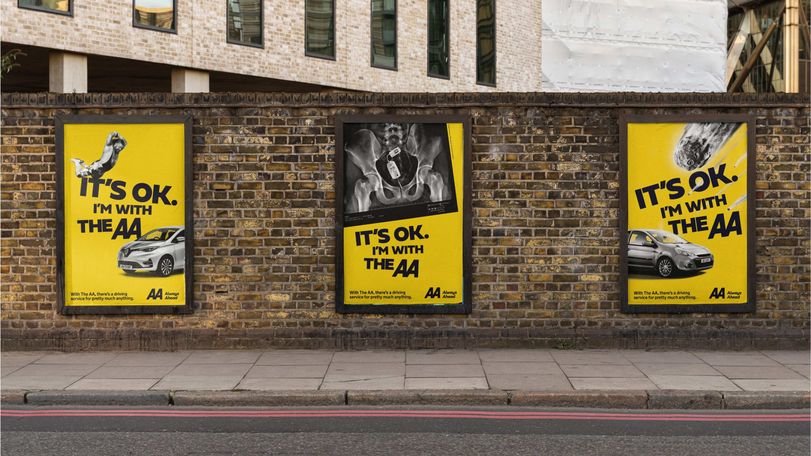
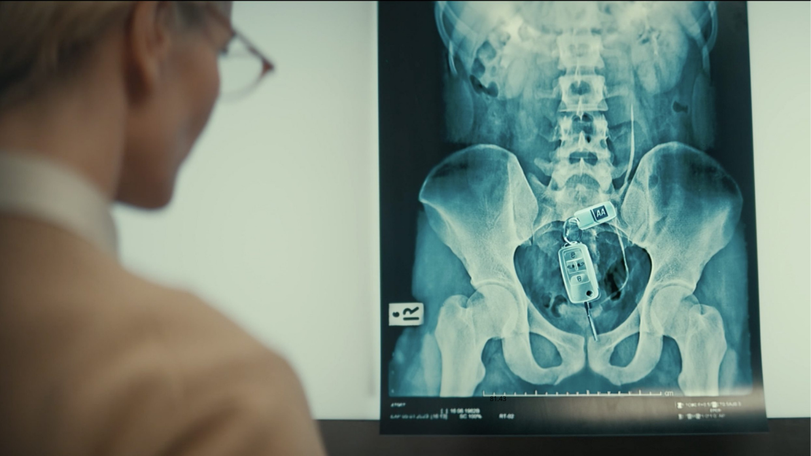
When I first worked with Pointy Stick co-founder Rob on It’s OK, I’m with The AA, I saw first-hand the commercial impact brilliantly crafted comedy could deliver. Getting to know James only reinforced that belief. Together, they don't see comedy as a genre, but as a strategic advantage that solves commercial problems as effectively as it makes people laugh.
Their backgrounds – one from advertising, the other from broadcast – are perfectly suited to a world where those boundaries matter less every day.

What struck me most about Pointy Stick was that it starts with a different question. Most agencies begin with the advertising problem. Pointy Stick begins with the audience: what would people actually choose to watch? From there, comedy becomes a commercial strategy rather than simply a creative style.
That’s what we mean by ‘comedy with a point’. Done well, comedy makes the brand or product message more distinctive and memorable. The laugh should be the vehicle for the idea, not a distraction from it.
And our early work suggests we’re solving the right problem. Beavertown’s first live-action campaign, Stick Your Neck Out, is already delivering results, and we’re currently applying the same principles to completely different creative challenges with The Royal Ballet and Opera.
As Zoe Eagle recently argued in Creative Salon, the opportunity isn't simply to sell advertising around great entertainment, but to help brands participate in it. I couldn't agree more – brands increasingly think like broadcasters, while broadcasters are increasingly collaborating with brands. The organisations that thrive will be the ones that can operate confidently in both worlds.
That’s where comedy comes into its own. It’s already one of the most powerful forms of entertainment. What’s changed is that audience behaviour has made it one of our most commercially valuable creative tools too.
When advertising craft, entertainment thinking, and client-side experience come together, brands stand a much better chance of creating work people will not only pay attention to but stay with.
The real competition isn't the ad in the next break – it's everything else people would rather be watching. Brands that succeed won’t simply interrupt attention; they’ll earn it.
Comedy isn’t back. It never left. What’s changed is that audiences now choose what deserves their time, making comedy more commercially valuable than ever.
Here’s to comedy with a point – exactly when businesses, and audiences, need it most.
Will Harrison is the managing director of Pointy Stick
Share


